about the Dog Islands
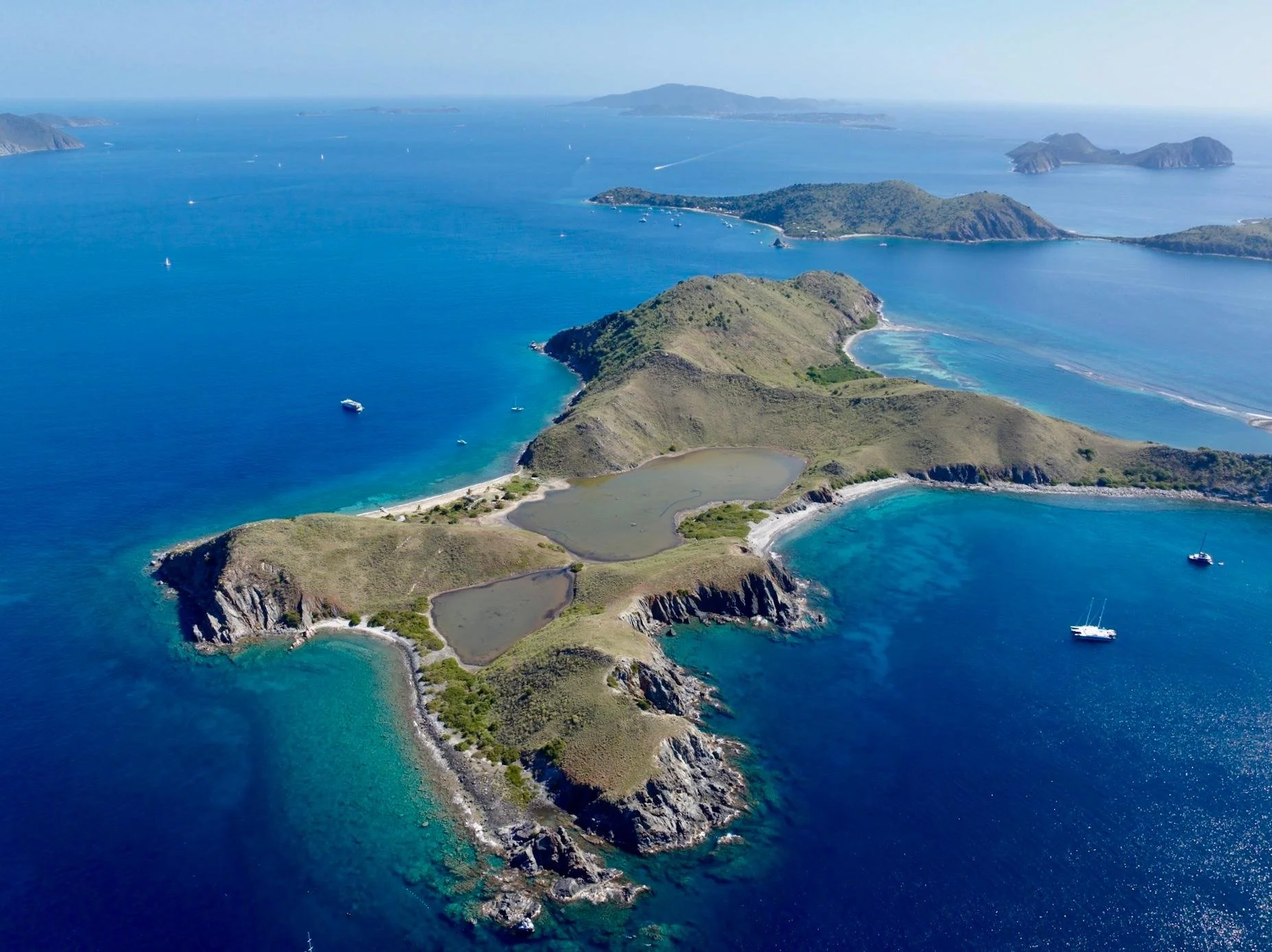
Scattered across the waters between Tortola and Virgin Gorda, the Dog Islands are among the best places in the British Virgin Islands for exploring beneath the surface.
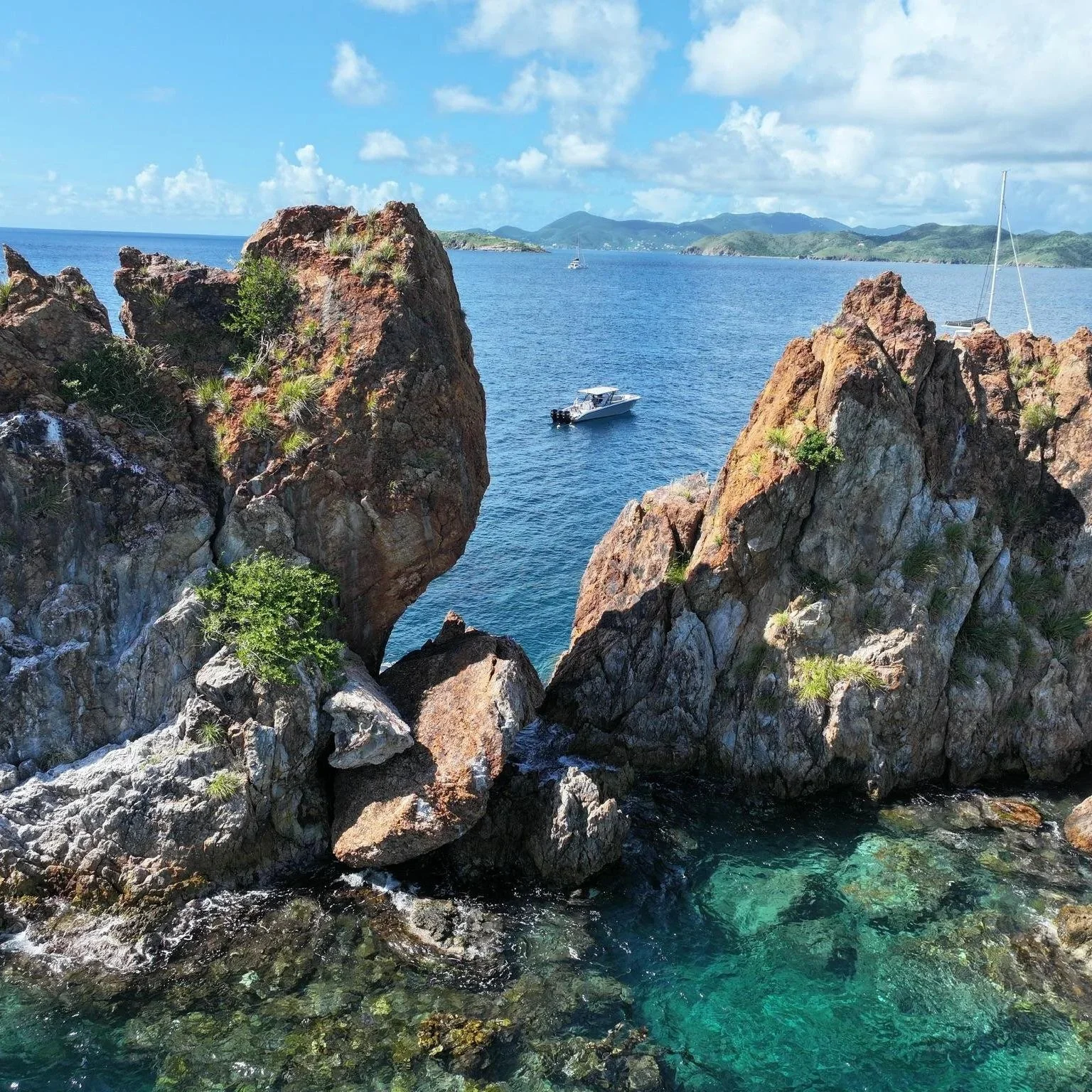
Usually referred to simply as "The Dogs", this small collection of uninhabited islands and rocky islets is surrounded by coral reef, dramatic underwater formations and abundant marine life. Dive sites including The Chimney, Joe's Cave and Bronco Billy have made the islands particularly popular with scuba divers, while several areas also provide excellent snorkeling when conditions are suitable.
There are no towns, resorts or beach bars here. The Dogs are all about the water.
Where Are the Dog Islands?
The Dog Islands lie northwest of Virgin Gorda, between the eastern end of Tortola and North Sound.
The group includes Great Dog Island, George Dog Island and West Dog Island, along with several smaller islands and islets known collectively as the Seal Dogs. These include East Seal Dog Island, Little Seal Dog Island and West Seal Dog.
Cockroach Island is another tiny islet within the wider group. Their location makes the Dogs relatively easy to incorporate into a day exploring the eastern BVI. Virgin Gorda and North Sound are nearby, while Tortola lies farther to the west across the Sir Francis Drake Channel.
Why Are They Called the Dog Islands?
The name is thought to come from Caribbean monk seals, which once inhabited waters throughout the region.
Sailors reportedly heard the seals barking and believed there were dogs somewhere on the islands. The name stuck, eventually giving us the Dog Islands and Seal Dogs.
Unfortunately, you won't encounter a Caribbean monk seal during your visit. The species was hunted extensively after European colonisation of the Caribbean and is now extinct.
Today, the marine life around the Dogs is considerably more likely to include tropical fish, rays, turtles and the many smaller creatures that inhabit the surrounding reefs.
Snorkeling and Diving at the Dog Islands
You don't need scuba equipment to enjoy the waters around the Dog Islands. Several locations offer excellent snorkeling, particularly where shallow coral reefs and rocky formations bring marine life close enough to the surface to explore with a mask and snorkel.
The combination of clear Caribbean water, coral formations, boulders and abundant fish can make this a rewarding snorkeling stop during a private boat charter.
Conditions matter, however. Some parts of the Dogs are exposed to wind, waves and currents, so the best snorkeling location can change from one day to another.
The Dogs are particularly well known for scuba diving. A mixture of coral reef, enormous boulders, underwater canyons, caves and narrow passages creates a variety of diving spots within a relatively compact area.
Some sites are suitable for relatively straightforward reef dives, while others offer more dramatic underwater terrain for experienced divers. Several of these dive sites have become BVI classics.
The Chimney
The Chimney at Great Dog Island is one of the best-known dive sites in the British Virgin Islands. Its name comes from a narrow underwater passage formed between enormous boulders. Divers can move through this natural corridor while exploring the surrounding reef and rock formations.
The site is associated with Jacques Cousteau, who explored extensively throughout the Caribbean and helped bring international attention to many of its underwater environments.
Sunlight filtering between the rocks, colourful marine growth and schools of tropical fish make The Chimney an especially memorable example of the underwater landscape around the Dogs.
Joe's Cave
Joe's Cave is a popular dive site located over at West Dog Island. Here, large boulders create overhangs, crevices and cave-like formations that provide shelter for marine life. Divers can explore the reef while looking into the darker spaces beneath the rocks for fish and other creatures hiding from the open water.
The appeal isn't simply the quantity of marine life. The physical landscape itself makes diving around the Dog Islands distinctive.
Bronco Billy Dive Site
Bronco Billy is associated with George Dog Island and is another of the area's best-known diving spots. The site combines coral reef with dramatic rock formations, including canyons and passages that divers can explore.
Its unusual name is often said to have been inspired by the movement of divers through the surge, which can give the sensation of riding a bucking horse.
When conditions are appropriate, the combination of underwater topography and marine life makes Bronco Billy one of the more adventurous dives around the Dogs.
Great Dog Island
Great Dog is the largest island in the group and home to several of its best-known underwater attractions.
The island itself is uninhabited, with steep hillsides descending towards rocky shoreline and occasional small beaches. There is very little reason to come looking for conventional tourist attractions ashore.
Instead, boats gather around established mooring fields and visitors disappear over the side into the water.
The reefs surrounding Great Dog support a wide range of marine life, while its boulders and underwater formations make the island particularly interesting for both snorkeling and diving.
George Dog Island
George Dog lies east of Great Dog and provides another collection of reefs and underwater formations.
Bronco Billy is among its best-known dive sites, but the surrounding waters offer further opportunities for exploring the coral reef and marine life.
Its proximity to Virgin Gorda also makes George Dog a convenient stop when travelling towards North Sound or incorporating the Dogs into a wider day around the eastern British Virgin Islands.
West Dog and the Seal Dogs
West Dog Island lies farther west, closer to Tortola, while the smaller Seal Dogs are scattered around the wider island group.
These smaller islands and rocky outcrops contribute to the varied underwater geography that makes the Dogs such an interesting area to explore.
East Seal Dog island and Little Seal Dog island (occasionally referred to as West Seal Dog) are considerably smaller than Great Dog or George Dog, but their surrounding waters contain reefs, rocky formations and diving spots of their own.
An airplane wreck can also be found in the waters around the wider Dogs area, adding another unusual underwater feature for divers to explore.