Planning your first BVI trip? Discover where to stay, how to get around and the best things to do, from The Baths and snorkeling to island hopping.
Turquoise water, green volcanic islands, coral reefs and white-sand beaches scattered across one of the Caribbean's great sailing grounds: welcome to the British Virgin Islands.
Usually shortened to the BVI, this British Overseas Territory consists of more than 50 islands and cays. Some are developed and easily explored by road. Others have only a handful of villas or resorts. Many are uninhabited and best experienced from the water.
For a first-time visitor, that geography can make planning a trip slightly confusing. Should you stay on Tortola or Virgin Gorda? How do you reach the BVI? Do you need a rental car? Which islands can you visit by ferry? And how much island hopping can you realistically fit into one vacation?
This British Virgin Islands travel guide covers the essentials, from getting here and choosing where to stay to beaches, snorkeling, boat trips and the BVI experiences worth putting at the top of your list.
Where Are the British Virgin Islands?
The British Virgin Islands are located in the northeastern Caribbean, immediately east of the U.S. Virgin Islands.
Tortola is the largest and most populated island and home to Road Town, the capital of the BVI. Other major islands include Virgin Gorda, Anegada and Jost Van Dyke.
The U.S. Virgin Islands, or USVI, lie just to the west and include St. Thomas and St John. Puerto Rico is farther west, while other Caribbean destinations such as Antigua lie considerably farther to the southeast.
What makes the BVI particularly interesting is how closely many of its islands are grouped together. From the top of a hill or the deck of a boat, you'll often see several islands at once.
That compact geography makes island hopping one of the defining experiences of visiting the British Virgin Islands.
How Do You Get to the British Virgin Islands?
Most visitors arrive either by air at Beef Island or by ferry or water taxi from the U.S. Virgin Islands. Terrance B. Lettsome International Airport (EIS) is the BVI's principal airport. It is located on Beef Island, which is connected to Tortola by the Queen Elizabeth II Bridge.
There are no large long-haul flights directly from Europe or most of North America, so visitors typically connect through another Caribbean airport. San Juan in Puerto Rico is an important regional gateway, with flights connecting to the BVI.
Another popular option is flying into St. Thomas in the USVI and continuing to the British Virgin Islands by ferry or private water taxi.
Which route makes most sense depends on where you're travelling from, flight schedules and where you plan to stay once you arrive.
Do You Need a Passport for the BVI?
Yes. The British Virgin Islands and U.S. Virgin Islands are separate jurisdictions, so don't assume travelling between them works like moving between two neighbouring BVI islands.
Entry requirements depend on your nationality and circumstances, and they can change.
Check the current immigration requirements before travelling, particularly if your itinerary involves moving between the BVI and USVI by ferry, water taxi or charter boat.
Which BVI Island Should You Stay On?
For a first visit, Tortola and Virgin Gorda are the two most obvious bases, although they offer quite different experiences.
Tortola has the greatest concentration of services, restaurants and transport connections. Virgin Gorda feels smaller and more resort-oriented while still offering several of the territory's most famous attractions.
Jost Van Dyke is an excellent choice if beaches and beach bars are high on your agenda.
Anegada is different again. Flat, remote and surrounded by reefs, it feels unlike almost anywhere else in the BVI.
There are also private resorts, villas and smaller accommodations scattered throughout the islands. The good news is that choosing one island as your base doesn't mean you have to stay there. It’s very common to island hop when staying in the Virgin Islands.
Tortola
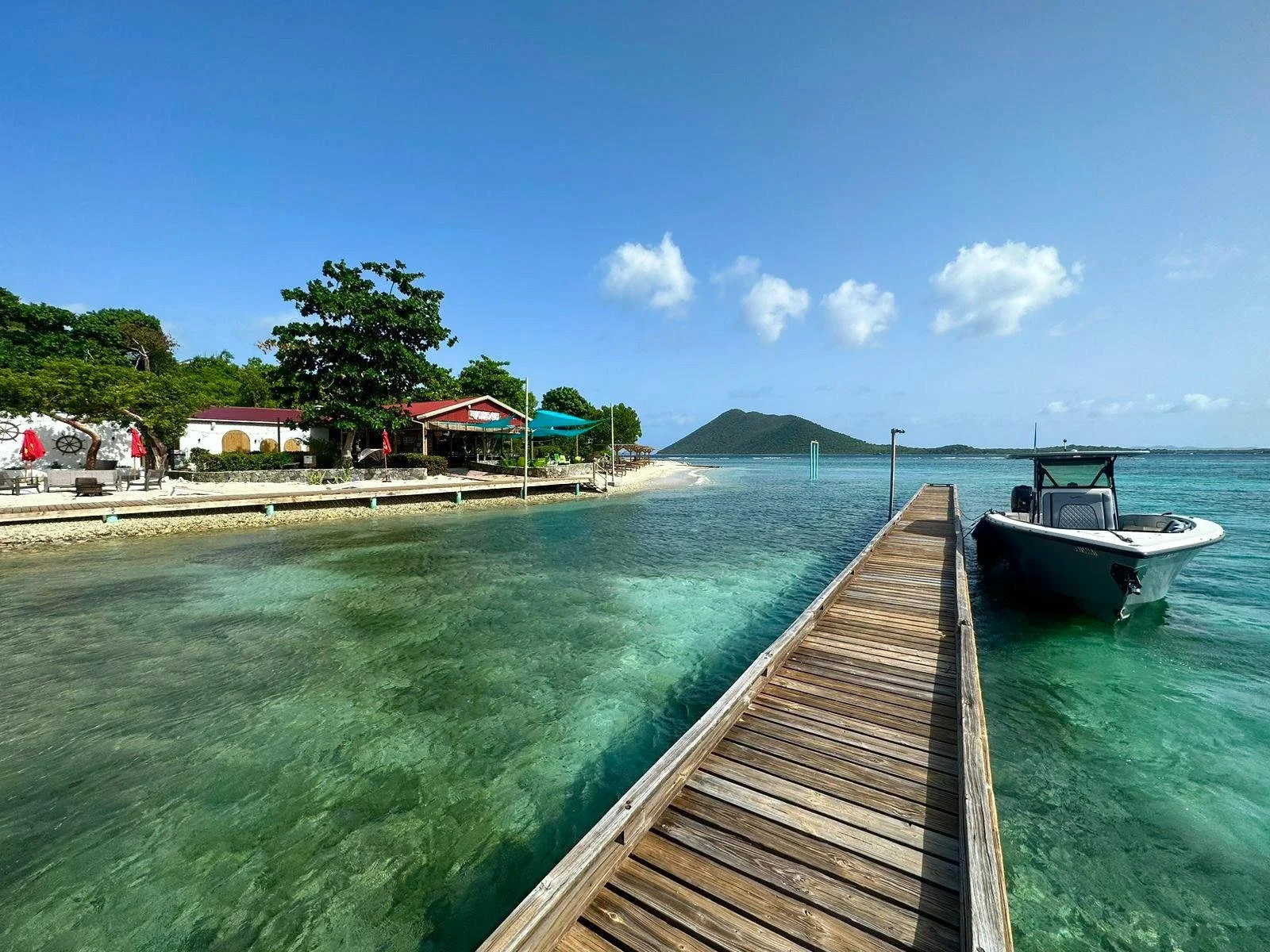
Tortola is the largest island in the British Virgin Islands and the natural starting point for many first-time visitors.
Road Town is the territory's capital and main commercial centre, while West End provides another important harbour on the western side of the island.
Away from town, Tortola becomes dramatically mountainous. Roads climb over steep ridges before dropping towards bays and beaches along the coast.
Cane Garden Bay is one of the island's most popular beaches, combining a long stretch of sand with restaurants and beach bars.
For something greener, head into Sage Mountain National Park, where walking trails explore the highest part of the BVI.
Tortola's central location also makes it an excellent base for exploring the surrounding islands by charter boat.
Virgin Gorda
Virgin Gorda is home to perhaps the most famous natural attraction in the BVI: The Baths. Huge granite boulders cover the southwestern coastline, creating caves, passages and pools between beautiful beaches.
But Virgin Gorda is considerably more than The Baths. The island extends north towards North Sound, one of the great boating playgrounds of the Caribbean. Resorts, restaurants and smaller islands are scattered throughout the sound, including destinations such as Saba Rock and Bitter End Yacht Club.
Virgin Gorda works particularly well for travellers looking for beautiful beaches, upscale accommodation and easy access to the eastern BVI.
Jost Van Dyke
Jost Van Dyke is smaller, more relaxed and famous for turning drinking beside the Caribbean into something approaching an art form.
White Bay is the star attraction, with dazzling sand, turquoise water and a collection of famous beach bars.
The Soggy Dollar Bar is particularly well known as the birthplace of the Painkiller, a Caribbean cocktail traditionally made with rum, fruit juices and cream of coconut.
Great Harbour and other bays around the island provide further restaurants and places to explore.
Jost Van Dyke is easily visited by boat from Tortola, making it one of the most popular island-hopping destinations in the western BVI.
Anegada
While most of the British Virgin Islands rise steeply from the sea, Anegada is a low-lying coral and limestone island.
Long white-sand beaches stretch along the coast, reefs surround the island and the relatively small population gives Anegada an appealing sense of isolation.
The island is particularly famous for lobster, which appears on menus throughout Anegada when in season.
Because Anegada sits farther from the main cluster of BVI islands, visiting requires more planning than hopping between Tortola, Norman Island or Peter Island.
But if you have the time, it provides one of the most distinctive experiences in the territory.
Visit Norman Island
Norman Island is traditionally associated with pirate stories and is often linked to Robert Louis Stevenson's Treasure Island. Whether you come for the legends or not, the island is a superb boating destination.
Caves along the coastline can be explored from the water, while nearby snorkeling sites including the Indians make Norman Island particularly easy to incorporate into a day charter from Tortola.
It's the sort of BVI destination that works best as part of a day rather than a single isolated attraction.
Explore North Sound
North Sound, at the northeastern end of Virgin Gorda, is almost a destination within a destination.
The protected waters are surrounded by Virgin Gorda and smaller islands including Prickly Pear, Moskito and Necker Island.
Saba Rock occupies a tiny island in the sound and has become a popular stop for boaters, while Bitter End Yacht Club has been part of North Sound's sailing culture for decades. This is prime territory for charter boats and sailboats.
Experience a Full Moon Party
If your visit coincides with the full moon, check what's happening at Trellis Bay on Beef Island.
The Trellis Bay Full Moon Party has become a BVI institution, combining music, food, dancing and spectacular fire sculptures beside the water. Other full moon celebrations take place around the islands as well.
It is worth checking dates before your trip rather than discovering the morning after that everyone else spent the previous night dancing beside enormous flaming metal sculptures.
What Are the Best Things to Do in the British Virgin Islands?
There isn't really one definitive list because the BVI rewards moving around rather than completing attractions. But first-time visitors should build their trip around a few essential experiences.
Visit The Baths on Virgin Gorda. Spend time on a white-sand beach. Snorkel over a coral reef. Take a boat between islands. Have lunch somewhere you arrived by water. Spend an afternoon at a beach bar.
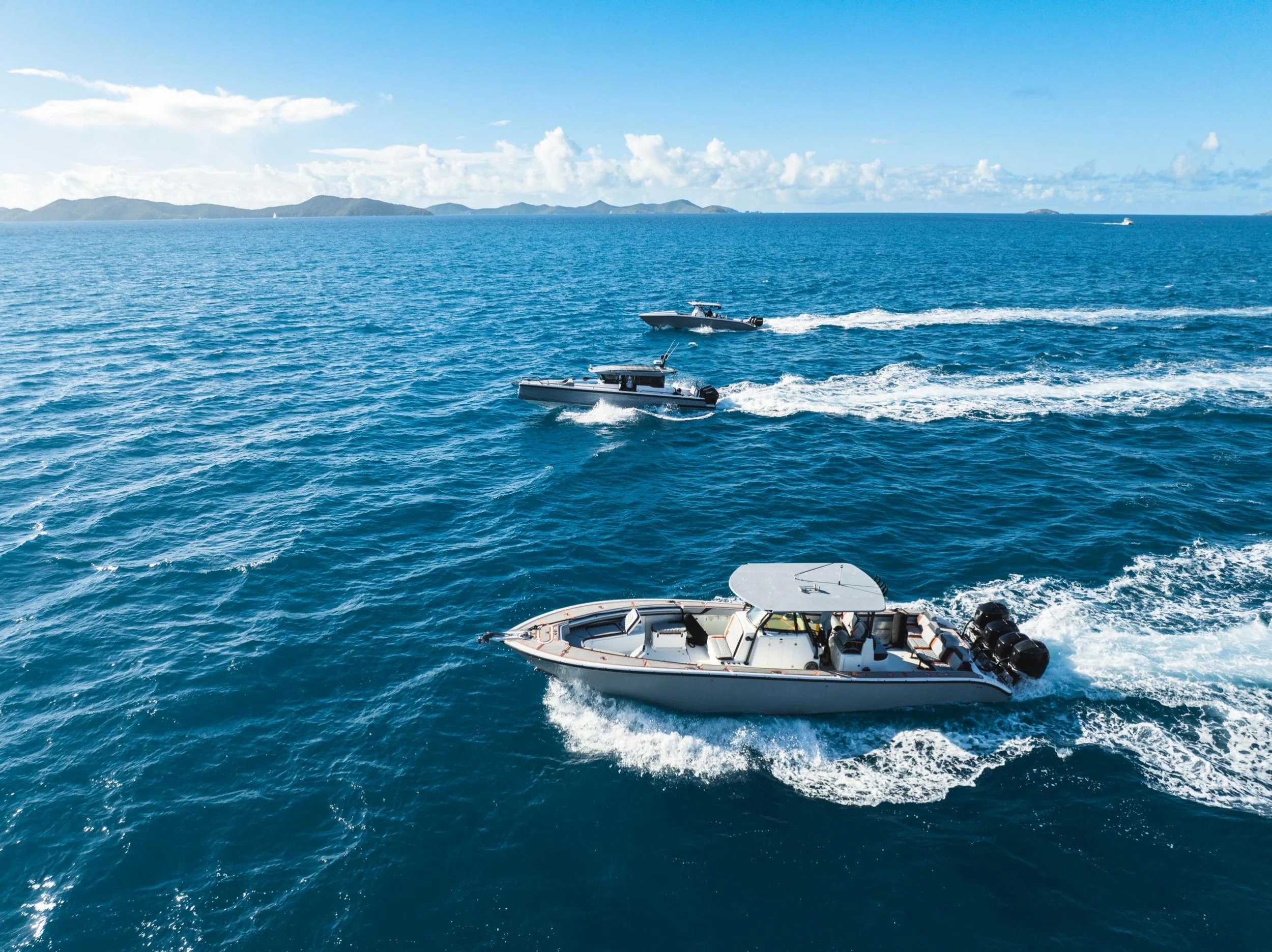
Island hopping is fundamental to experiencing the British Virgin Islands. From Tortola, you can quickly reach destinations including Norman Island, Peter Island, Salt Island and Cooper Island. Head west and you have Jost Van Dyke. Travel east and Virgin Gorda and the islands around North Sound come into range.
A charter boat gives you considerably more flexibility than scheduled ferries because the journey can become part of the day rather than simply transportation.
Another thing to add to the must-do list is to snorkel the coral reefs.
The Coral reefs throughout the territory support tropical fish, rays, turtles and other marine life, while rock formations create some exceptional snorkeling sites.
The Indians near Norman Island are among the best known, with dramatic rocky pinnacles continuing beneath the surface into clear Caribbean water.
There are snorkeling opportunities around many other islands, including Cooper Island, Virgin Gorda and the Dogs. Conditions vary with wind, swell and visibility, so the best snorkeling site isn't necessarily the same every day.
Scuba divers have an additional BVI landmark to explore. The RMS Rhone sank near Salt Island during a hurricane in 1867 and has become one of the Caribbean's most celebrated wreck dives.
The wreck lies in several sections and supports extensive marine life, making it both a historic site and an artificial reef. If scuba diving is part of your trip, the Rhone deserves a place near the top of the list.
Non-divers don't need to feel left out. There are plenty of reefs and shallow snorkeling sites elsewhere in the BVI that require nothing more complicated than a mask, fins and willingness to get wet.
Food is another excellent excuse to keep moving between islands. Fresh seafood features heavily on menus throughout the territory, alongside Caribbean dishes and international influences.
Anegada lobster is perhaps the BVI's most famous speciality, particularly during lobster season.
Then there are the beach bars. Part of the pleasure of travelling by boat is that lunch can happen almost anywhere. Find a restaurant beside the water, tie up or swim ashore and spend an hour or two eating with the boat waiting outside.
How Do You Get Around the BVI?
On Tortola and Virgin Gorda, taxis and rental cars are useful for exploring by road.
Ferries connect several of the main islands and provide an affordable way to travel between established destinations. Water taxis offer more flexibility, particularly for private transfers or journeys involving the USVI.
Charter boats provide the greatest freedom for exploring several destinations during the same day. Rather than thinking of transport purely as a way to get from A to B, think of the water as the BVI's road network.
Ferry or Private Boat?
Ferries are excellent when you simply need transportation between major islands. They are scheduled, relatively inexpensive and widely used by residents and visitors.
A private boat serves a different purpose. Instead of travelling directly from one ferry terminal to another, your journey becomes an excursion. You can stop at beaches, snorkeling sites and smaller islands that aren't served by regular ferries.
For a first-time visitor with limited vacation time, one full day on a charter boat can therefore expose you to considerably more of the BVI than several days spent travelling exclusively by road.
Can You Visit the USVI From the BVI?
Yes, but travelling between the BVI and USVI involves an international border. St. John and St. Thomas are geographically close to the western BVI, but immigration and customs requirements apply when crossing between the territories.
Private water taxis such as Chillout Charters can facilitate international journeys when appropriate, while scheduled ferries also operate on certain routes.
When Is the Best Time to Visit the British Virgin Islands?
The BVI has warm weather throughout the year, but there are meaningful seasonal differences.
The winter and early spring months are traditionally the busiest, with visitors escaping colder weather elsewhere and taking advantage of generally favourable Caribbean conditions.
Summer can be quieter and warmer. The Atlantic hurricane season runs through part of the summer and autumn, so travellers visiting during this period should pay close attention to weather forecasts and appropriate travel insurance.
Where Should First-Time Visitors Stay?
Tortola is the most practical choice for travellers who want easy access to transport, restaurants and a wide variety of day trips.
Virgin Gorda is excellent for a somewhat quieter stay with easy access to The Baths and North Sound.
Jost Van Dyke suits travellers whose priorities lean heavily towards beaches and beach bars.
Anegada works particularly well as part of a longer trip or for visitors deliberately seeking somewhere more remote.
Private islands and resorts including Guana Island, Necker Island and Peter Island offer another level of seclusion and luxury.
Villas are also widely available throughout the BVI and can be particularly appealing for families and groups.
Explore the British Virgin Islands With Chillout Charters
The hardest part of a first trip to the BVI is accepting that you aren't going to see everything. There are too many beaches, islands, reefs, bays and waterfront restaurants for that.
A private powerboat charter lets you see considerably more without turning your vacation into a frantic checklist.
Start from Tortola and head towards Norman Island. Explore Virgin Gorda and North Sound. Spend the day around Jost Van Dyke. Snorkel a coral reef, find a beach for a swim and stop somewhere completely different for lunch.
With Chillout Charters, your day can be built around the places you actually want to experience rather than a fixed group itinerary.